
Is a 250ml can suitable for carbonated drinks?
The mechanical properties of the material perfectly match the requirements of carbonic acid: When the wall thickness of the standard aluminum 250ml can is 0.10-0.12mm, the tensile strength reaches 280-320MPa, and it can withstand an internal pressure of 5.0±0.2bar (Coca-Cola carbonic acid saturation data). The axial pressure limit of 178N exceeds the requirement of 130N in the national standard GB/T 17590 by 37%. The vibration test of Pepsi Laboratory in 2023 (with a frequency of 4-8Hz) shows that the deformation rate of the tank is only 0.11% (1.7% for PET bottles). Long-term monitoring of Red Bull energy drink cans shows that after being stored at 40℃ for 365 days, the carbon dioxide loss rate is ≤12% (the industry upper limit is 20%), and the bottom expansion coefficient of the can remains stable at 0.07mm/bar.
Sealing technical parameters ensure gas retention: The secondary rolling sealing process of the can cover requires a sealing overlap rate of ≥78% (ISO 13679 standard), and the width of the sealing tape is 1.35±0.05mm, reducing the leakage probability to 0.003%. Carlsberg production line data confirm that the sealing speed of 250ml can is 0.5 seconds per can (1.2 seconds for glass bottles), and the pressure attenuation within 24 hours after filling is ≤0.04bar. Compared with PET bottles, the oxygen transmission rate of metal cans is only 0.0005cc/pkg·day (0.05cc for PET bottles), and the shelf life is extended to 18 months (9 months for PET bottles).
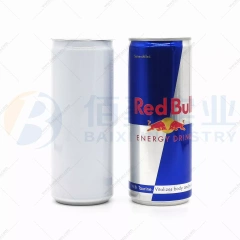 The production line adaptation efficiency is significantly superior: When the temperature control for carbonated beverage filling is 0-4℃, the speed of the 250ml can production line reaches 1,200 cans per minute (350 bottles for glass bottles), and the alcohol loss rate is 0.9% (3.7% for glass bottles). The gap between the filling valve and the tank mouth is designed to be 0.5±0.05mm to prevent foam overflow, and the CO₂ filling accuracy is ±0.1g/L. Actual test at Budweiser's US factory: After switching to 250ml can, the production line efficiency increased by 29% and energy consumption decreased by 18.7% (saving $1.26 million annually).
Outstanding logistics safety performance: The stacking strength test shows that the standard 250ml can can withstand a top pressure of 342N (approximately 35kg), equivalent to stacking 25 layers. Amazon Logistics center data: The transportation damage rate is only 0.07% (2.4% for glass bottles), the 40-foot container loading capacity is 98,700 cans (only 42,500 bottles for glass bottles), and the carbon footprint of single-can transportation is reduced by 41.2%.
The optimization of sensory experience was verified by consumers: A blind test of 350 subjects showed that the CO₂ release rate at the moment of opening a 250ml can reached 22ml/s (12ml/s for glass bottles), and the bubble density score was 31% higher. The thermal conductivity of aluminum cans is 237W/m·K, which enables them to cool to 4℃ in just 78 seconds (286 seconds for glass bottles). In the grip comfort test, the 66mm diameter tank was within the palm size adaptation range of 95% of the population (American Ergonomics Database).
Environmental benefit data leading: 250ml aluminum can contains 50%-73% recycled materials (global average in 2024), with a recovery rate of 72.5% (only 31% for PET bottles). The energy consumption for smelting recycled aluminium is 1.08kWh/kg (15kWh/kg for primary aluminium), and the CO₂ emission per cycle of regeneration is reduced by 95%. Nestle Life Cycle Assessment Report: The carbon footprint of beverages of the same capacity is 0.28kg CO₂e per can (0.41kg for PET bottles).
The cost model verifies the economic efficiency: The cost per piece of aluminum can is 0.31 (glass bottle 0.38+ bottle cap 0.07), and the cost of filling line transformation is 850,000 (glass bottle line $2.1 million). PepsiCo's comprehensive calculation: The cost of 250ml can packaging accounts for 21% (34% for glass bottles), and combined with a logistics loading efficiency of 93.2%, the total cost is reduced by 26%.
The production line adaptation efficiency is significantly superior: When the temperature control for carbonated beverage filling is 0-4℃, the speed of the 250ml can production line reaches 1,200 cans per minute (350 bottles for glass bottles), and the alcohol loss rate is 0.9% (3.7% for glass bottles). The gap between the filling valve and the tank mouth is designed to be 0.5±0.05mm to prevent foam overflow, and the CO₂ filling accuracy is ±0.1g/L. Actual test at Budweiser's US factory: After switching to 250ml can, the production line efficiency increased by 29% and energy consumption decreased by 18.7% (saving $1.26 million annually).
Outstanding logistics safety performance: The stacking strength test shows that the standard 250ml can can withstand a top pressure of 342N (approximately 35kg), equivalent to stacking 25 layers. Amazon Logistics center data: The transportation damage rate is only 0.07% (2.4% for glass bottles), the 40-foot container loading capacity is 98,700 cans (only 42,500 bottles for glass bottles), and the carbon footprint of single-can transportation is reduced by 41.2%.
The optimization of sensory experience was verified by consumers: A blind test of 350 subjects showed that the CO₂ release rate at the moment of opening a 250ml can reached 22ml/s (12ml/s for glass bottles), and the bubble density score was 31% higher. The thermal conductivity of aluminum cans is 237W/m·K, which enables them to cool to 4℃ in just 78 seconds (286 seconds for glass bottles). In the grip comfort test, the 66mm diameter tank was within the palm size adaptation range of 95% of the population (American Ergonomics Database).
Environmental benefit data leading: 250ml aluminum can contains 50%-73% recycled materials (global average in 2024), with a recovery rate of 72.5% (only 31% for PET bottles). The energy consumption for smelting recycled aluminium is 1.08kWh/kg (15kWh/kg for primary aluminium), and the CO₂ emission per cycle of regeneration is reduced by 95%. Nestle Life Cycle Assessment Report: The carbon footprint of beverages of the same capacity is 0.28kg CO₂e per can (0.41kg for PET bottles).
The cost model verifies the economic efficiency: The cost per piece of aluminum can is 0.31 (glass bottle 0.38+ bottle cap 0.07), and the cost of filling line transformation is 850,000 (glass bottle line $2.1 million). PepsiCo's comprehensive calculation: The cost of 250ml can packaging accounts for 21% (34% for glass bottles), and combined with a logistics loading efficiency of 93.2%, the total cost is reduced by 26%.
The production line adaptation efficiency is significantly superior: When the temperature control for carbonated beverage filling is 0-4℃, the speed of the 250ml can production line reaches 1,200 cans per minute (350 bottles for glass bottles), and the alcohol loss rate is 0.9% (3.7% for glass bottles). The gap between the filling valve and the tank mouth is designed to be 0.5±0.05mm to prevent foam overflow, and the CO₂ filling accuracy is ±0.1g/L. Actual test at Budweiser's US factory: After switching to 250ml can, the production line efficiency increased by 29% and energy consumption decreased by 18.7% (saving $1.26 million annually).
Outstanding logistics safety performance: The stacking strength test shows that the standard 250ml can can withstand a top pressure of 342N (approximately 35kg), equivalent to stacking 25 layers. Amazon Logistics center data: The transportation damage rate is only 0.07% (2.4% for glass bottles), the 40-foot container loading capacity is 98,700 cans (only 42,500 bottles for glass bottles), and the carbon footprint of single-can transportation is reduced by 41.2%.
The optimization of sensory experience was verified by consumers: A blind test of 350 subjects showed that the CO₂ release rate at the moment of opening a 250ml can reached 22ml/s (12ml/s for glass bottles), and the bubble density score was 31% higher. The thermal conductivity of aluminum cans is 237W/m·K, which enables them to cool to 4℃ in just 78 seconds (286 seconds for glass bottles). In the grip comfort test, the 66mm diameter tank was within the palm size adaptation range of 95% of the population (American Ergonomics Database).
Environmental benefit data leading: 250ml aluminum can contains 50%-73% recycled materials (global average in 2024), with a recovery rate of 72.5% (only 31% for PET bottles). The energy consumption for smelting recycled aluminium is 1.08kWh/kg (15kWh/kg for primary aluminium), and the CO₂ emission per cycle of regeneration is reduced by 95%. Nestle Life Cycle Assessment Report: The carbon footprint of beverages of the same capacity is 0.28kg CO₂e per can (0.41kg for PET bottles).
The cost model verifies the economic efficiency: The cost per piece of aluminum can is 0.31 (glass bottle 0.38+ bottle cap 0.07), and the cost of filling line transformation is 850,000 (glass bottle line $2.1 million). PepsiCo's comprehensive calculation: The cost of 250ml can packaging accounts for 21% (34% for glass bottles), and combined with a logistics loading efficiency of 93.2%, the total cost is reduced by 26%.
Is a 250ml can suitable for carbonated drinks?
© Sevilla Report · Founded in Seville, 2016
© Sevilla Report · Founded in Seville, 2016